
Restoring Century-Old Floors in Detroit's Historic Districts
Key Contractor Takeaway
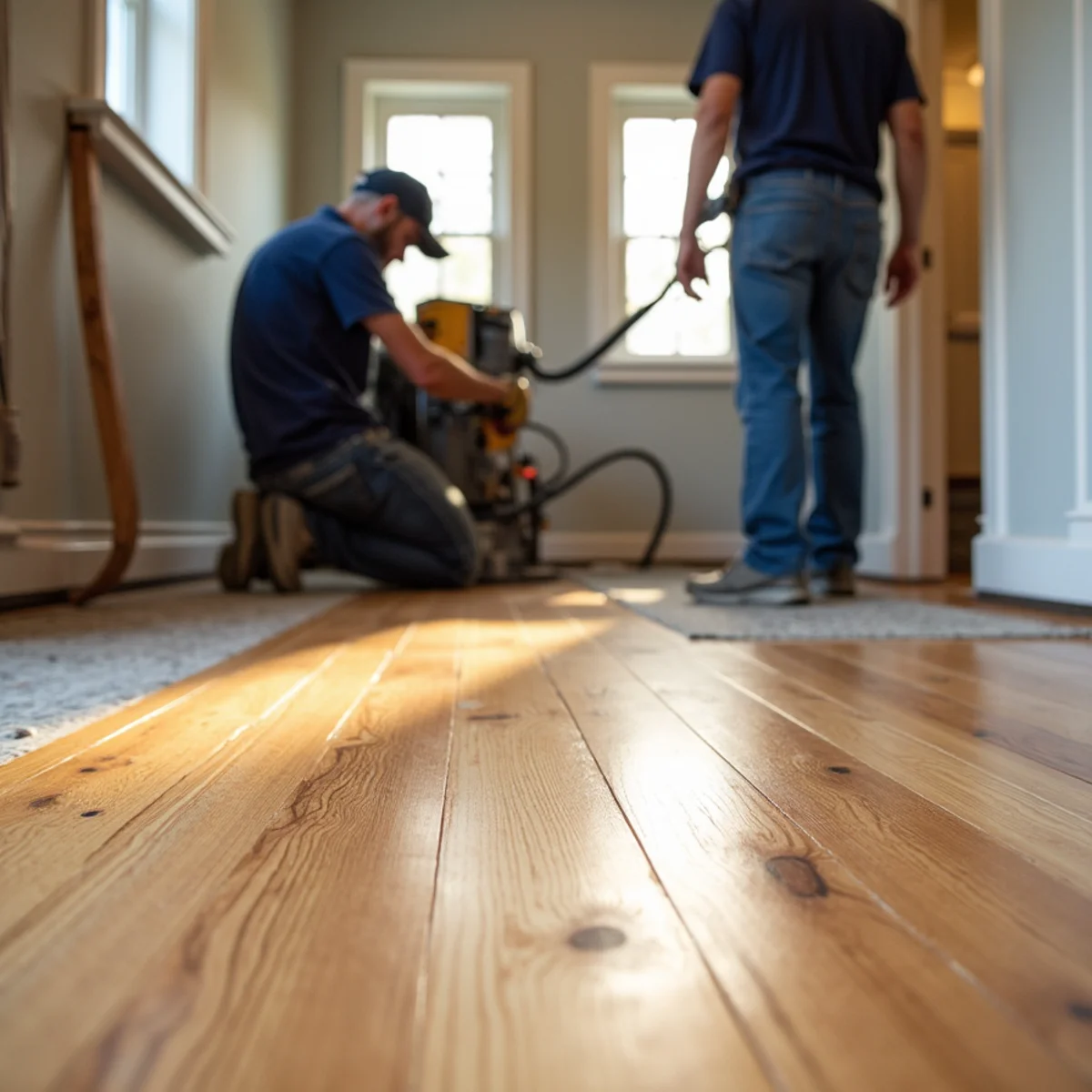
Preserving quarter-sawn white oak, maple strip, and intricate parquet borders in Indian Village, Boston-Edison, and Palmer Woods historic homes.
Table of Contents
Dealing with this issue right now in Metro Detroit?
Speak directly with our local flooring crew for immediate on-site guidance.
Immediate Situation Assessment
When moisture intrudes into a Michigan home—whether from a burst appliance line, foundation seepage, or severe weather—flooring materials react immediately. Understanding how different substrates behave under hydrostatic pressure is critical.
Preserving quarter-sawn white oak, maple strip, and intricate parquet borders in Indian Village, Boston-Edison, and Palmer Woods historic homes.
Moisture Dynamics & Wood Expansion
Wood is a hygroscopic material that naturally absorbs and desorbs water molecules from surrounding air and subfloor substrates. In Southeast Michigan, seasonal humidity swings between dry winter heating and humid summer weather create significant dimensional stress.
When liquid water penetrates underneath hardwood planks or luxury vinyl underlayment, the bottom fibers expand faster than the top face, forcing the board edges upward into a classic cupped profile.
Trade Guidelines & Action Steps
1. Halt the source immediately: Shut off main water supplies or address sump pump drainage failures before attempting any floor drying.
2. Remove standing water: Extract surface water with wet vacuums within 2 hours of discovery.
3. Deploy commercial dehumidification: Maintain continuous airflow and drop ambient relative humidity below 35% to draw moisture out of subfloor cavities.
4. Measure moisture content: Track moisture saturation daily with electronic pin meters until subfloor readings drop below 12%.
Restoration vs Replacement Cost Factors
In Michigan, controlled drying and refinishing averages $3.50 to $6.00 per square foot, while complete tear-out and new hardwood installation ranges between $8.00 and $15.00 per square foot.
Insurance claims require comprehensive line-item documentation detailing material species, tear-out labor, and subfloor prep to ensure full policy coverage.
Expert Recommendations for Michigan Homes
Never sand a cupped floor while subfloor moisture content remains elevated. Premature sanding removes the crowned edges, creating permanent concave crowning once the wood fibers finally dry out.
For personalized advice or emergency water triage in Metro Detroit, call Michigan Quality Floors at (844) 954-6342.
Frequently Asked Questions on This Topic
Significant cellular swelling and cupping begin within 24 to 48 hours of liquid water contact. Rapid extraction and commercial dehumidification within the first day frequently prevents permanent wood cell collapse.
Need Technical Flooring Assistance in Metro Detroit?
Call Michigan Quality Floors today for clear contractor recommendations and a free in-home estimate.